
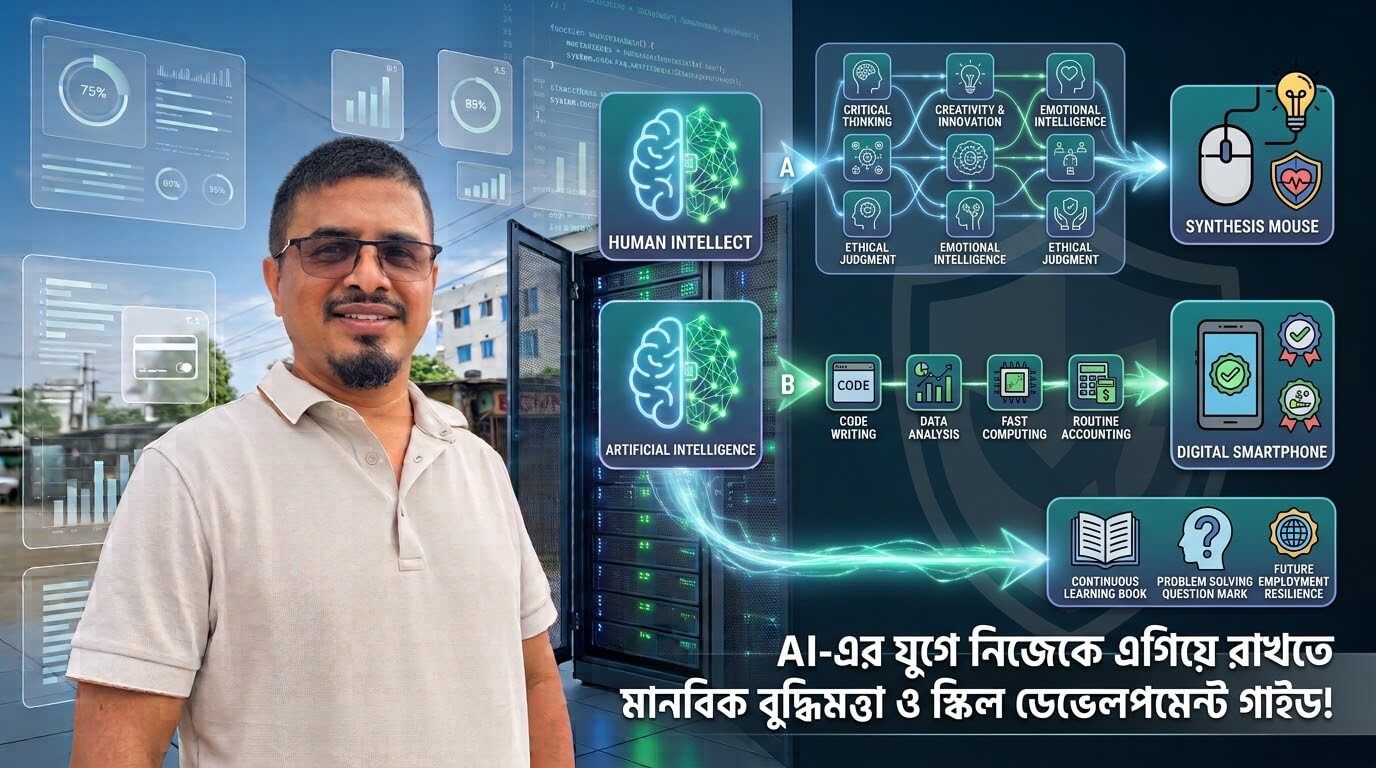
Will Learning Skills Protect Your Job from AI? The Reality of Job Security in the Age of Technology
Category: Technology & Future Employment | Reading Time: Approx. 4 minutes
Introduction: The Reality Behind a Popular Phrase
"Learn a skill, and AI won't take your job!" This phrase sounds very inspiring. However, is reality really that simple? Observing current technological shifts reveals that many people who have spent years acquiring specific professional skills are facing the biggest challenges from AI.
Graphic designers, content writers, video editors, software developers, translators, and accountants—all of these are skilled professionals. Yet, much of their work can now be done faster and at a lower cost using AI. On the other hand, physical and context-dependent tasks performed by construction workers, electricians, plumbers, cleaners, or household helpers cannot easily be accomplished by general AI. Does this mean physical labor professions are safer in the future? Or do we need to redefine the very concept of skills to keep pace with AI?
1. Why is AI Challenging Skilled Professionals?
The primary reason is that AI's current strength is more visible in computer-based and digital tasks. Previously, designing a logo took a designer hours. Now, AI can generate multiple concepts in minutes. Drafting an article, writing a video script, or producing initial code used to take significant time. Today, a large portion of these tasks can be done with AI assistance.
This has not eliminated the need for skilled humans; rather, it has changed their working methods, remuneration structures, and the nature of market competition. The issue is not just that AI can perform human work; the problem is that a portion of the work for which a professional previously received separate compensation can now be done with much less time and cost.
2. What Do the Research Studies Say?
According to International Labour Organization (ILO) research, one in every four workers globally works in an occupation likely to experience some impact from Generative AI. However, the research indicates that in most cases, changes in job roles are more probable than the complete extinction of jobs.
Meanwhile, according to the World Economic Forum’s Future of Jobs Report, the combined impact of various economic and technological shifts is projected to create approximately 170 million new jobs globally, while displacing or eliminating 92 million jobs, resulting in a net employment growth of 78 million. This forecast is not driven by AI alone; it includes various factors such as technology, economics, demographics, and environmental changes.
3. Which Occupations Are Most Vulnerable?
| Occupation | Potential Impact of AI |
|---|---|
| Graphic Design | Routine design and image generation are rapidly automating |
| Content Writing | Basic articles, descriptions, and translation work are under pressure |
| Video Editing | AI assists in basic editing, subtitling, and clip creation |
| Software Development | AI aids in code writing, testing, and debugging |
| Accounting | Automation in data entry and routine accounting |
| Data Entry | High risk of complete automation |
| Electrician | Relatively low direct impact due to physical, on-site environments |
| Plumber | Relatively lower risk due to complex physical work across locations |
It is important to remember that no profession is 100% safe or definitively heading toward extinction. While AI can easily handle certain tasks within a profession, human experience, judgment, and physical presence remain necessary for others.
4. Is There No Value in Learning Skills?
Certainly, there is. In fact, the need for skills is increasing in the age of AI. However, relying on a single software application or a specific type of task as long-term security is a misconception. In the future, a combination of several competencies will be crucial:
- The ability to operate and effectively utilize AI.
- Analytical thinking and problem-solving.
- Creativity and generating new concepts.
- Communication, leadership, and decision-making.
- Real-world experience and domain-specific knowledge.
- The agility to learn new technologies quickly.
5. Where Does Future Security Lie?
The most critical factor for the future is not just being skilled, but possessing the adaptability to navigate constant change. If a designer only knows how to generate images, AI can become their competitor. But if they understand branding, marketing, consumer psychology, and business problem-solving, the scope of their work expands significantly.
If a programmer only knows how to write code, AI can simplify a large part of their work. However, if they understand system architecture, security, complex troubleshooting, and real business requirements, their human value remains intact.
Conclusion: Learn Skills, But Don't Sit Back Complacently
In the age of AI, no single skill can guarantee a lifelong job. The technology that simplifies our work today may transform our working methods tomorrow. Therefore, you must learn skills, but continuously update yourself alongside your learning. AI should be treated as a collaborator rather than an adversary.
— Md. Mominul Islam
Founder & CEO, BOSS Solution
স্কিল শিখলেই কি AI চাকরি খেতে পারবে না? প্রযুক্তির যুগে দক্ষতার নিরাপত্তা কতটা বাস্তব?
ক্যাটাগরি: প্রযুক্তি ও ভবিষ্যৎ কর্মসংস্থান | পঠন সময়: প্রায় ৪ মিনিট
ভূমিকা: একটি জনপ্রিয় কথার আড়ালে বাস্তবতা
“স্কিল শিখুন, AI আপনার চাকরি খেতে পারবে না!” কথাটি শুনতে বেশ অনুপ্রেরণামূলক। কিন্তু বাস্তবতা কি সত্যিই এত সহজ? বর্তমান প্রযুক্তিগত পরিবর্তন পর্যবেক্ষণ করলে দেখা যায়, AI-এর সবচেয়ে বড় চ্যালেঞ্জের মুখে পড়েছেন এমন অনেক মানুষ, যাঁরা দীর্ঘদিন ধরে নির্দিষ্ট পেশাগত দক্ষতা অর্জন করে কাজ করছেন।
গ্রাফিক ডিজাইনার, কনটেন্ট রাইটার, ভিডিও এডিটর, সফটওয়্যার ডেভেলপার, অনুবাদক, হিসাবরক্ষক—এঁরা প্রত্যেকেই দক্ষ পেশাজীবী। অথচ তাঁদের অনেক কাজ এখন AI দিয়ে আগের তুলনায় দ্রুত ও কম খরচে করা সম্ভব হচ্ছে। অন্যদিকে একজন নির্মাণশ্রমিক, ইলেকট্রিশিয়ান, প্লাম্বার, পরিচ্ছন্নতাকর্মী কিংবা বাসাবাড়ির সহায়তাকারীর শারীরিক ও পরিস্থিতিনির্ভর কাজ এখনো সাধারণ AI দিয়ে সহজে সম্পন্ন করা সম্ভব নয়। তাহলে কি ভবিষ্যতে শারীরিক শ্রমের পেশাই বেশি নিরাপদ? নাকি AI-এর সঙ্গে পাল্লা দিতে গিয়ে আমাদের দক্ষতার ধারণাটিই নতুন করে সংজ্ঞায়িত করতে হবে?
১. AI কেন দক্ষ পেশাজীবীদের চ্যালেঞ্জ করছে?
এর প্রধান কারণ হলো AI-এর বর্তমান শক্তি কম্পিউটারনির্ভর ও ডিজিটাল কাজের ক্ষেত্রে বেশি দৃশ্যমান। আগে একটি লোগো ডিজাইন করতে ডিজাইনারের কয়েক ঘণ্টা লাগত। এখন AI কয়েক মিনিটে একাধিক ধারণা তৈরি করতে পারে। আগে একটি আর্টিকেলের খসড়া, ভিডিওর স্ক্রিপ্ট কিংবা প্রোগ্রামের প্রাথমিক কোড তৈরিতে অনেক সময় লাগত। এখন এসব কাজের বড় অংশ AI সহায়তায় করা যাচ্ছে।
এতে দক্ষ মানুষের প্রয়োজন শেষ হয়ে যায়নি; বরং তাঁদের কাজের ধরন, পারিশ্রমিকের কাঠামো এবং বাজারে প্রতিযোগিতার ধরন পরিবর্তিত হচ্ছে। সমস্যাটি শুধু AI মানুষের কাজ করতে পারছে, তা নয়। সমস্যা হলো, একজন পেশাজীবী যে কাজের জন্য আগে আলাদা পারিশ্রমিক পেতেন, সেই কাজের একটি অংশ এখন অনেক কম সময় ও খরচে করা যাচ্ছে।
২. গবেষণা কী বলছে?
আন্তর্জাতিক শ্রম সংস্থা (ILO)-এর গবেষণা অনুযায়ী, বিশ্বের প্রতি চারজন কর্মীর একজন এমন পেশায় কাজ করেন, যেখানে Generative AI-এর কিছু না কিছু প্রভাব পড়ার সম্ভাবনা রয়েছে। তবে গবেষণাটি বলছে, অধিকাংশ ক্ষেত্রে সম্পূর্ণ চাকরি বিলুপ্ত হওয়ার চেয়ে কাজের ধরন পরিবর্তিত হওয়ার সম্ভাবনাই বেশি।
অন্যদিকে World Economic Forum-এর Future of Jobs Report অনুযায়ী, বিভিন্ন অর্থনৈতিক ও প্রযুক্তিগত পরিবর্তনের সম্মিলিত প্রভাবে বিশ্বে আনুমানিক ১৭ কোটি নতুন চাকরি তৈরি হতে পারে এবং ৯ কোটি ২০ লাখ চাকরি বিলুপ্ত বা স্থানচ্যুত হতে পারে। এটি শুধু AI-এর কারণে ঘটবে এমন পূর্বাভাস নয়; প্রযুক্তি, অর্থনীতি, জনসংখ্যা ও পরিবেশগত পরিবর্তনসহ বিভিন্ন বিষয় এতে অন্তর্ভুক্ত।
৩. কোন পেশাগুলো বেশি চাপে পড়তে পারে?
| পেশা | AI-এর সম্ভাব্য প্রভাব |
|---|---|
| গ্রাফিক ডিজাইন | সাধারণ ডিজাইন ও ইমেজ তৈরির কাজ দ্রুত স্বয়ংক্রিয় হচ্ছে |
| কনটেন্ট রাইটিং | সাধারণ আর্টিকেল, বর্ণনা ও অনুবাদের কাজ চাপে |
| ভিডিও এডিটিং | বেসিক এডিটিং, সাবটাইটেল ও ক্লিপ তৈরিতে AI |
| সফটওয়্যার ডেভেলপমেন্ট | কোড লেখা, পরীক্ষা ও ডিবাগিংয়ে AI সহায়তা |
| হিসাবরক্ষণ | ডেটা এন্ট্রি ও নিয়মিত হিসাবের কাজে অটোমেশন |
| ডেটা এন্ট্রি | উচ্চমাত্রার স্বয়ংক্রিয়করণের ঝুঁকি |
| ইলেকট্রিশিয়ান | বাস্তব পরিবেশে কাজের কারণে তুলনামূলক কম সরাসরি প্রভাব |
| প্লাম্বার | স্থানভেদে জটিল শারীরিক কাজের কারণে তুলনামূলক কম ঝুঁকি |
এখানে মনে রাখতে হবে, কোনো পেশাই শতভাগ নিরাপদ বা নিশ্চিতভাবে বিলুপ্তির পথে নয়। একই পেশার কিছু কাজ AI সহজে করতে পারলেও অন্য কাজের জন্য মানুষের অভিজ্ঞতা, বিচারবুদ্ধি ও উপস্থিতি প্রয়োজন।
৪. তাহলে কি স্কিল শেখার কোনো মূল্য নেই?
অবশ্যই আছে। বরং AI-এর যুগে দক্ষতার প্রয়োজন আরও বাড়ছে। তবে শুধু একটি নির্দিষ্ট সফটওয়্যার চালানো কিংবা একটি নির্দিষ্ট ধরনের কাজ শেখাকে দীর্ঘমেয়াদি নিরাপত্তা ভাবা ভুল। ভবিষ্যতে গুরুত্বপূর্ণ হবে কয়েকটি দক্ষতার সমন্বয়:
- AI পরিচালনা ও কার্যকরভাবে ব্যবহার করার সক্ষমতা।
- বিশ্লেষণাত্মক চিন্তা ও সমস্যা সমাধান।
- সৃজনশীলতা ও নতুন ধারণা তৈরি।
- যোগাযোগ, নেতৃত্ব ও সিদ্ধান্ত গ্রহণ।
- বাস্তব অভিজ্ঞতা ও ক্ষেত্রভিত্তিক জ্ঞান।
- দ্রুত নতুন প্রযুক্তি শেখার মানসিকতা।
৫. ভবিষ্যতের নিরাপত্তা কোথায়?
আমার কাছে সবচেয়ে গুরুত্বপূর্ণ বিষয় হলো, ভবিষ্যতে শুধু দক্ষ মানুষ নয়, পরিবর্তনের সঙ্গে নিজেকে মানিয়ে নিতে সক্ষম মানুষ এগিয়ে থাকবেন। একজন ডিজাইনার যদি শুধু ছবি তৈরি করতে জানেন, তাহলে AI তাঁর প্রতিযোগী হতে পারে। কিন্তু তিনি যদি ব্র্যান্ডিং, মার্কেটিং, গ্রাহকের মনস্তত্ত্ব এবং ব্যবসায়িক সমস্যা সমাধান বোঝেন, তাহলে তাঁর কাজের পরিধি অনেক বড় হবে।
একজন প্রোগ্রামার যদি শুধু কোড লিখতে জানেন, তাহলে AI তাঁর কাজের বড় অংশ সহজ করে দিতে পারে। কিন্তু তিনি যদি সিস্টেম আর্কিটেকচার, নিরাপত্তা, জটিল সমস্যা সমাধান ও বাস্তব ব্যবসায়িক প্রয়োজন বুঝতে পারেন, তাহলে তাঁর মানবিক দক্ষতার মূল্য থাকবে।
উপসংহার: স্কিল শিখুন, কিন্তু নিশ্চিন্ত হয়ে বসে থাকবেন না
AI-এর যুগে কোনো একটি স্কিল আজীবন চাকরির নিশ্চয়তা দেবে—এমন প্রতিশ্রুতি দেওয়ার সুযোগ নেই। আজ যে প্রযুক্তি আমাদের কাজ সহজ করছে, আগামীকাল সেই প্রযুক্তিই আমাদের কাজের ধরন বদলে দিতে পারে। তাই স্কিল শিখতে হবে, কিন্তু শেখার পাশাপাশি নিজেকে নিয়মিত আপডেট করতে হবে। AI-কে প্রতিপক্ষ না ভেবে কাজের সহযোগী হিসেবে ব্যবহার করতে হবে।
— মো: মোমিনুল ইসলাম
প্রতিষ্ঠাতা ও সিইও, বস সল্যুশন (BOSS Solution)

Mominul Islamমমিনুল ইসলাম (Mominul Sir) (মমিনুল স্যার)
An educator, programmer, web developer, SEO expert, ethical hacker, and technical and freelance writer.একজন শিক্ষাবিদ, প্রোগ্রামার, ওয়েব ডেভেলপার, এসইও (SEO) বিশেষজ্ঞ, এথিক্যাল হ্যাকার এবং প্রযুক্তি বিষয়ক ও ফ্রিল্যান্স লেখক।